The short answer
A storage unit is a place to keep things. A contractor bay is a place to run part of a business.
That sounds simple, but it is the difference between a cheap monthly bill and a space you can actually work from. Storage units are usually the right answer if you only need to store tools, materials, furniture, records, seasonal equipment, or overflow inventory. A contractor bay starts to make sense when you need power, heat, a bathroom, a business address, deliveries, parking, a workbench, employees, or the ability to perform light work inside the space.
This page is for Vermont trade businesses trying to decide whether they need a storage unit, a garage, a shop bay, or a small warehouse. We lease contractor bays, so read this with that in mind. The honest answer is still that many people should rent storage and not shop space. If a bay is the right call, see what to look for in small warehouse space near Rutland next.
The basic difference
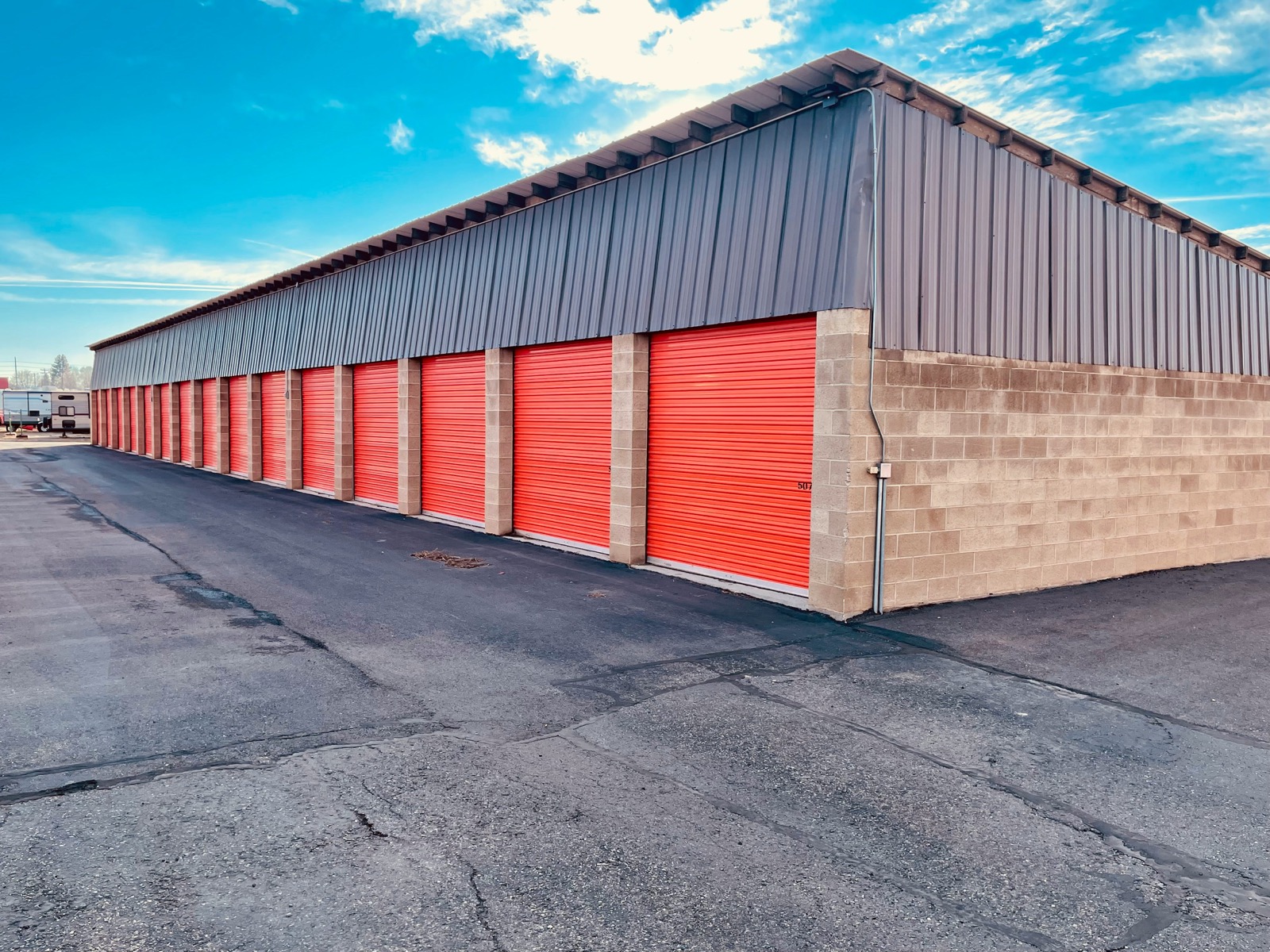
A storage unit is designed around access and security. You bring things in, lock the door, and come back later. That is the product.
A contractor bay is designed around operating use. It usually has a larger overhead door, better power, lighting, a bathroom, parking, delivery access, and lease rights that allow some version of business activity. That is a different product, with a different cost structure and different responsibilities.
The mistake is comparing them only by monthly rent.
If all you need is 200 square feet for extra tools, a storage unit will almost always win. If you need 1,300 square feet where a truck can back in, material can be racked, an employee can meet you, and a carrier can drop a pallet, then storage and shop space are no longer solving the same problem.
What a storage unit is good for
A storage unit is usually the best answer when the need is simple:
- Tools you do not use every day
- Seasonal equipment
- Extra inventory
- Records, furniture, or household overflow
- Materials that do not require heat, water, power, or active work
- A temporary place during a move
- A cheap way to keep clutter out of a home shop
The strength of storage is flexibility. It is usually month to month, easy to start, easy to stop, and cheaper than leased commercial space. If the unit sits untouched for weeks at a time, that is fine. It is doing its job.
If the plan is simple storage rather than a bay to work from, see what on-site container storage costs in the Rutland region before you commit either way.
That is why storage is not the enemy of contractor bays. It is a different solution.
What a storage unit usually does not solve
The limitation shows up when the space becomes part of the business day.
Most storage units are not built for:
- Running tools or machinery
- Installing equipment
- Regular customer appointments
- Employees reporting to work
- Freight deliveries
- Palletized material handling
- Daily business operations
- Heated work areas
- Bathrooms or utility sinks
- Three-phase power
- Business signage or a customer-facing address
Even if a storage facility is convenient, the lease or rental agreement may prohibit working from the unit. That matters more than whether the door physically opens and the lights turn on. If the agreement says storage only, then storage is the use.
Regular customer appointments are the sharpest example of the difference. A storage lease almost never allows it, and a commercial bay lease can, if the use clause says so. See whether customers can come to your shop bay for what that actually takes.
Heated work areas matter more in Vermont than the phrase suggests. See what a heated shop bay actually solves in a Vermont winter for what climate control is really preventing.
What a contractor bay adds
A contractor bay is not just a larger storage unit. The value is in the operating features.
Overhead door access. You can back in, load material, unload equipment, and use the floor area without threading everything through a man door. Not all overhead doors are the same, either: see dock-high versus grade-level doors.
Commercial power. Many small shops need more than a few outlets. Compressors, lifts, fabrication tools, charging, saws, and other equipment all raise the power question quickly.
Lighting and heat. A dark, cold unit might store material fine. It is a bad place to work all winter.
Bathroom access. This sounds minor until you have an employee, a helper, or a day that runs long.
Business address. A commercial address can support deliveries, paperwork, insurance, and customer confidence in a way a storage unit or home garage often cannot.
Lease rights. A commercial lease should say what you are allowed to do. That is more valuable than guessing or hoping a storage operator will tolerate your use.
Room to organize. Racking, benches, carts, shelves, material zones, and vehicle access matter more than raw square footage.
The cost comparison is not just rent
A storage unit may be a fraction of the monthly cost of a contractor bay. That can make it the right answer.
But if you are comparing the two, compare the whole business cost:
- Are you also renting a second storage unit?
- Are you still working from home because the storage unit only holds material?
- Are you paying residential freight surcharges?
- Are you turning down work because equipment cannot be installed?
- Are you spending time moving tools between home, truck, and storage?
- Are you unable to hire because there is no workplace?
- Are you risking insurance or zoning issues by operating from a garage?
The contractor bay is more expensive because it is solving more than storage. Before comparing any two spaces, compare the full monthly cost, not just the headline rent. We break down the math here: what it actually costs to rent shop space in Vermont.
A simple decision rule
Use a storage unit if the sentence is: "I need a place to put things."
Use a contractor bay if the sentence is: "I need a place to work, receive deliveries, organize material, park equipment, or grow the business."
That is the cleanest line.
If you are still working alone, have no employees, do not need power, and customers never come to you, storage may be enough. If you are trying to hire, add equipment, take freight, create a repeatable workflow, or separate the business from your home, a bay starts to make more sense.
If you are still deciding whether to leave the home garage or barn at all, start here: when your home shop starts costing you money.
Common examples
Electrician. Storage can work for extra conduit, seasonal material, or overflow tools. A contractor bay makes more sense when there are multiple vans, racking, employee staging, and regular material handling.
HVAC or plumbing contractor. Storage can hold parts. A bay can hold inventory, pipe, equipment, carts, fittings, and work tables. The moment employees are loading out of the space, it becomes more like a shop than storage.
Carpenter or remodeler. Storage can hold ladders and seasonal tools. A bay can support a saw area, assembly table, material racks, dust control, and truck loading.
E-commerce or light distribution. Storage can hold inventory. A contractor bay or small warehouse is better when shipping, receiving, packing, labeling, returns, and regular carrier pickup become part of the workday.
Personal or hobby use. A private bay can also work for cars, tools, and personal gear rather than a business. See car storage in a contractor bay for what is usually allowed.
What about "contractor garages"?
The term gets used in two different ways.
Some self-storage operators use "contractor garage" to mean a larger drive-up storage unit marketed to trades. That can be useful, but it may still be storage-first and may not allow active work.
Brokers and landlords sometimes use "contractor bay" to mean small industrial or flex space: a commercial unit with an overhead door, lease rights, power, and room for business operations.
Ask what the lease allows. The name on the listing matters less than the permitted use.
What to ask before renting either one
Before signing for storage, ask:
- Can I use the unit only for storage, or can I perform work inside?
- Are business operations, customers, or employees prohibited?
- Is there power inside the unit, and what can it be used for?
- Are freight deliveries allowed?
- Is insurance required or limited?
- Can I store vehicles, equipment, or materials overnight?
- Are there restrictions on chemicals, fuel, batteries, paint, or flammables?
Before signing for a contractor bay, ask:
- What uses are allowed in the lease?
- Are CAM, taxes, and insurance billed separately?
- What power is available?
- Is the bay heated?
- Is there a bathroom?
- Can I add racking, benches, or equipment?
- What insurance does the landlord require?
- Is hot work, vehicle repair, painting, or hazardous material storage prohibited or separately approved?
The best answer is not always the bigger space. It is the space whose rules match what you actually need to do.
Where 310 Innovation Drive fits
310 Innovation Drive in North Clarendon is not self-storage. It is small-bay industrial/flex space for businesses that need more than a place to store things.
The building is designed around commercial bay use: overhead doors, business occupancy, individually organized bays, and enough room for trades, light shop use, material storage, and small-business operations. That means the lease is more formal than storage, the insurance requirement is more serious, and the monthly cost is higher.
That is the tradeoff.
If you only need a cheap place to store extra material, a storage unit may be the better fit. If you need a real work bay in the Rutland area, that is the use case we are building around.
Frequently asked questions
Can I run a business out of a storage unit?
Usually not in the way most people mean it. Many storage agreements allow storage only and prohibit active work, customers, employees, hazardous materials, or business operations from the unit. Always read the agreement and ask the operator directly.
Is a contractor bay the same thing as a storage unit?
No. A contractor bay is usually commercial shop or flex space with an overhead door and lease terms that allow some business use. A storage unit is usually for storing property, not operating a business.
Is a storage unit cheaper than a contractor bay?
Yes, usually. If you only need storage, that lower cost is the point. A contractor bay costs more because it may include business use, power, lighting, heat, bathroom access, deliveries, parking, and lease rights.
What size contractor bay does a small trade business need?
Many one- or two-person trade businesses can start around 1,000 to 1,500 square feet. A larger bay may make sense if you need vehicle access, racking, equipment, a workbench, or room to grow. For a fuller breakdown, see what size shop bay you actually need.
Do I need commercial insurance for a contractor bay?
Yes. A commercial landlord will usually require commercial general liability insurance and may require the landlord to be named as additional insured. Renters insurance or homeowners insurance is not a substitute for business liability coverage.
Can I do welding or vehicle repair in a contractor bay?
Only if the lease allows it and the landlord approves it in writing. Hot work, vehicle repair, painting, flammables, batteries, and hazardous materials often require additional insurance, safety controls, and local code compliance.
About this page
General information for Vermont trade and light industrial businesses, current as of July 2026. Storage agreements, zoning, insurance requirements, and commercial lease terms vary by property, operator, town, and policy. Nothing here is legal, zoning, or insurance advice.
Innovation Bays owns and operates 310 Innovation Drive in North Clarendon, a small-bay industrial/flex building in the Rutland Airport Business Park. If you want to talk through whether you need storage, a contractor bay, or no leased space at all, call (802) 417-2107 or email leasing@innovationbays.com.