The short answer
Most small industrial space in Rutland County is never listed anywhere you would think to look. It is owned by individuals and small companies without brokers, and it turns over by word of mouth before anyone advertises it. If you searched the national listing sites and concluded nothing exists, what you learned is that the national listing sites do not cover this market.
Here is where it is instead.
Why the listings are empty
The buildings are too small to be worth a broker's time. A commission on a 1,500 square foot lease at Vermont rates does not pay for the hours. So most small-bay space is leased directly by whoever owns the building, and owner-operators rarely list.
The national platforms are built for a different market. They work well for a 100,000 square foot distribution center in a metro. Their coverage of rural New England small-bay is thin, and their filters barely acknowledge that anything under 5,000 square feet exists.
Turnover happens quietly. A tenant gives notice, the owner mentions it to two people, and it is gone. In a market this size that is often enough, and the space never becomes a listing at all.
The result is that the available space and the advertised space are close to different sets, and finding the first takes a different method than searching for the second.
Five places space actually turns up, in roughly the order worth trying.
1. The town grand list, which is public
Every Vermont town publishes a grand list showing every parcel, its owner, and the owner's mailing address. If you have driven past a building that looks half empty, you can find out who owns it in about ten minutes.
Go to the town website and look for the grand list, or call the lister's office and ask. The listers are helpful, this is a routine request, and they deal with the public all day. Search by street address, get the owner name and mailing address, then write or call.
A surprising amount of small industrial space changes hands this way. Nobody was advertising, and nobody was hiding it either. Somebody just asked.
2. Business park managers
Multi-tenant parks usually have a manager or an owners' association that knows every vacancy in the park, including ones not yet advertised, and often knows who is thinking about leaving. One call covers a dozen buildings. The business park locations near Rutland tend to have the most turnover worth tracking this way.
3. The regional development organization
Here that is CEDRR, the Chamber and Economic Development of the Rutland Region, which keeps a site and property inventory and fields calls from businesses looking for space. Connecting the two is their job. Regional development corporations across Vermont do the same, and it is free.
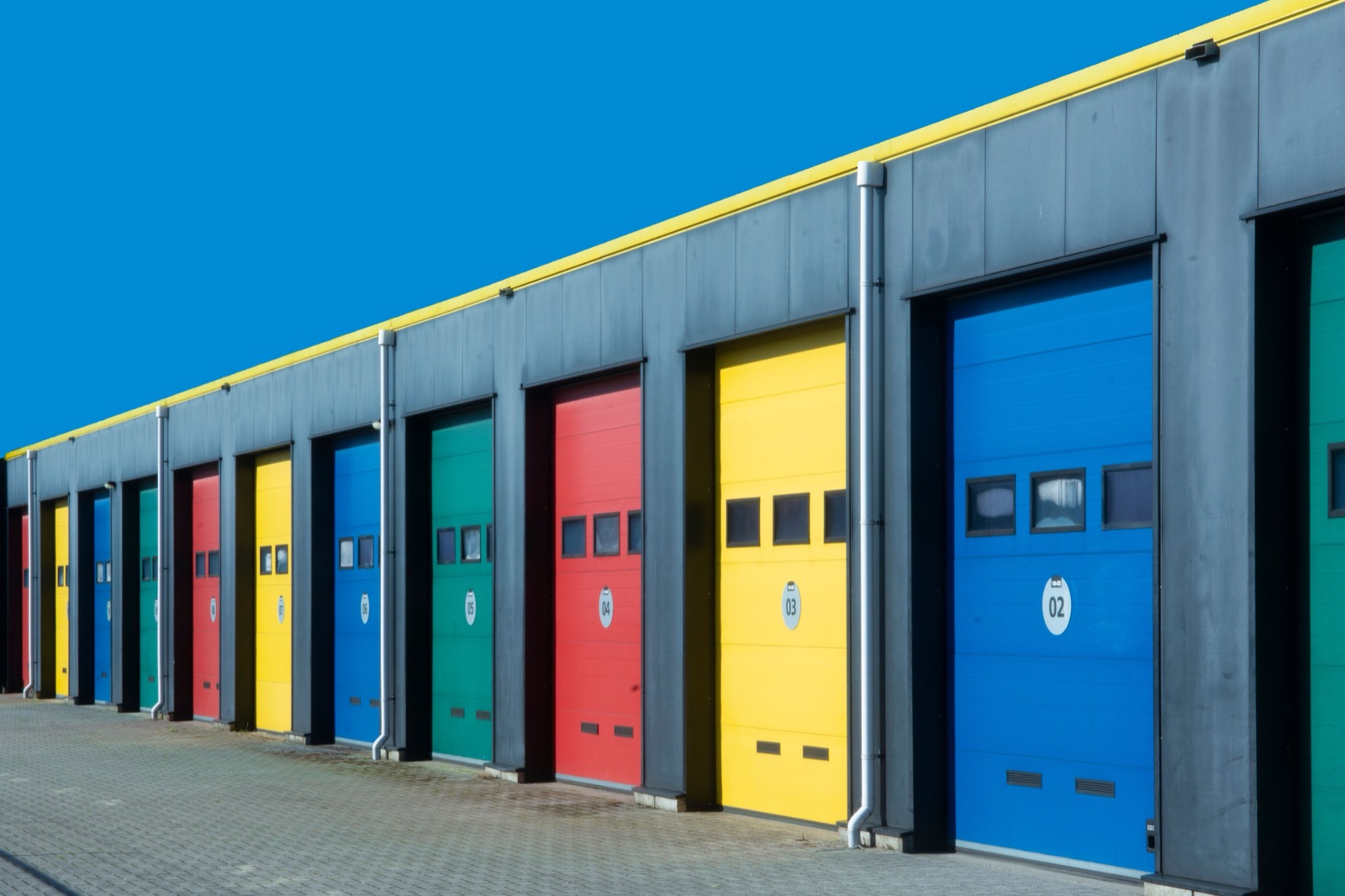
4. Tenant boards and the parks themselves
Drive the industrial parks. Multi-tenant buildings post directories at the entrance, and reading one tells you who is in the building and which suites are unlabeled. Signs age, too: a directory with a blank slot is often a vacancy nobody has advertised.
5. Local classifieds and word of mouth
Craigslist, Front Porch Forum, and the Rutland Herald still carry small commercial listings that never reach the national platforms. So do suppliers. Your electrical supply house, your lumber yard, and your equipment dealer talk to every trade business in the county and hear about moves before anyone else. Ask them.
The best listing in Rutland County is frequently a phone number on a piece of plywood.
How to approach an owner directly
You are calling someone who was not expecting to hear from you and may not have decided to lease. Make it easy.
Have four things ready: what your business does, how much space you need, when you would start, and how long a term you want. An owner who hears a specific, credible ask is far more likely to engage than one who gets "do you have anything available."
Be prepared for "not now, but call me in the spring." Write it down and actually call in the spring. In a market this size, patience is most of the strategy.
What to sort out before you start looking
- Your power requirement, especially whether anything you run needs three-phase
- Whether you take palletized freight, which decides whether you need a dock-high or grade-level door
- Your real square footage need, which is usually less than your first guess, so work out what size shop bay a small business actually needs before you start touring
- What your town's zoning permits, if you are weighing a home-based alternative and want to know when a home shop starts costing you money
- A rough all-in budget including CAM, not just base rent. See what it actually costs to rent shop space in Vermont for real numbers
Knowing those five turns a two-month search into a two-week one, mostly because you stop touring buildings that were never going to work. Once you have a short list, walk through what to look for in a small warehouse near Rutland before you sign anything.
Frequently asked questions
Why is there no small industrial space listed in Rutland County?
There is space. Most of it is leased directly by owners without brokers and never reaches the national platforms, which have thin coverage of rural New England small-bay.
How do I find out who owns a commercial building in Vermont?
The town grand list is public and shows owner names and mailing addresses by parcel. It is usually on the town website, and the lister's office will help if it is not.
Is it rude to contact an owner about a building that is not listed?
No. It is how most of this space gets leased. Be specific about what you need and when.
How long does it take to find small industrial space here?
Longer than in a metro, and highly variable. Buildings under 2,000 square feet with three-phase power or a dock are genuinely scarce and worth waiting for rather than settling around.
Should I use a broker?
For space this size most brokers will not take the assignment, since the commission does not justify the time. You will generally deal directly with owners.
About this page
Written by the owner-operator of a three-bay flex building in the Rutland Airport Business Park, North Clarendon, Vermont, current as of July 2026. We have bays available, and this page is useful whether or not one of them is right for you.
Call (802) 417-2107 or email leasing@innovationbays.com.